
The CEO's Guide to AI-Powered Customer Experience That Actually Works

Updated: Dec 29, 2025
Customer service has quietly become the battlefield where competitive advantage is won or lost. While you've been focused on operational efficiency and market expansion, your customers have been raising the bar for service expectations: and AI is the only way to meet them at scale.
Recent IBM research reveals a striking shift: customer service has leapfrogged to become CEOs' #1 generative AI priority, surpassing research, innovation, marketing, and even risk compliance. With 85% of executives planning AI-customer interactions within the next two years, the question isn't whether to implement AI-powered customer experience: it's how to do it right.
Why CEOs Can't Afford to Wait on AI Customer Experience
The numbers tell a compelling story. Companies implementing AI-powered customer service see average cost reductions of 30-40% while simultaneously improving customer satisfaction scores by 25%. But here's what most executives miss: AI customer experience isn't just about cutting costs: it's about unlocking revenue opportunities that manual processes simply can't capture.

When you deploy intelligent customer service systems, you're not just answering questions faster. You're collecting behavioral data, identifying upsell opportunities, and creating personalized experiences that drive customer lifetime value. The companies implementing this now are building competitive moats that will be nearly impossible to cross in 2-3 years.
The Three Things Every CEO Must Know About AI Customer Experience
1. Customer Service is Your AI Testing Ground
Customer service has emerged as the ideal proving ground for enterprise AI deployment. Unlike other business functions where mistakes can be costly and hard to measure, customer service offers immediate feedback loops and clear ROI metrics. Starting here allows you to demonstrate quick wins while building organizational confidence for broader AI rollout.
The data supports this approach. Organizations that pilot AI in customer service first see 60% faster enterprise-wide adoption rates compared to those who start in other departments. The lessons learned: about data quality, integration challenges, and change management: directly translate to other business functions.
2. 85% of Executives Are Planning Direct AI-Customer Interactions
Your competitors aren't just thinking about AI customer service: they're actively implementing it. With 85% of executives expecting generative AI to interact directly with customers within the next two years, market pressure is intensifying rapidly.
This shift represents more than technological advancement; it's a fundamental change in customer expectations. Today's customers already interact with AI through voice assistants, smart home devices, and mobile apps. They expect the same intelligent, personalized experience from your business.

3. Hybrid Models Win, Pure Automation Fails
The most successful AI customer experience implementations don't replace human agents: they amplify them. Research shows that hybrid models, where AI handles routine inquiries while humans manage complex issues, deliver 3x better customer satisfaction scores than purely automated systems.
This approach protects your brand reputation while maximizing efficiency gains. Customers appreciate quick resolution for simple issues and human expertise for complex problems. The key is intelligent routing that seamlessly moves customers between AI and human agents based on inquiry complexity and customer value.
Three Critical Actions to Implement Now
1. Transform Agents Into AI-Powered Heroes
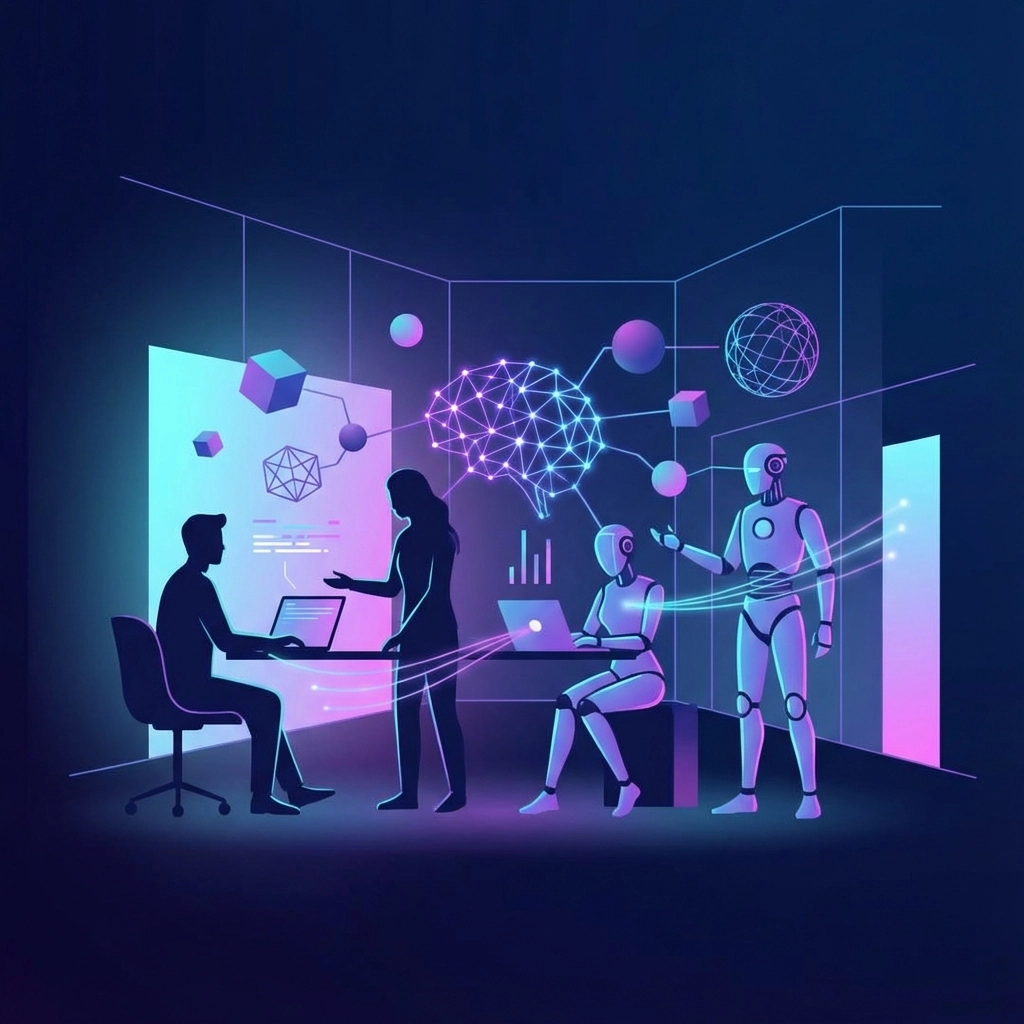
Instead of viewing AI as a replacement threat, position it as an empowerment tool for your customer service team. Modern AI agents can provide your human staff with:
Instant knowledge access: Real-time product information, policy details, and troubleshooting guides
Personalized recommendations: AI-generated suggestions based on customer history and behavior patterns
Real-time assistance: Live transcription, sentiment analysis, and response suggestions during calls
Performance coaching: Personalized feedback and training recommendations based on interaction analytics
This transformation typically reduces average resolution time by 45% while improving first-call resolution rates by 35%.
2. Deploy Strategic Customer Intelligence
AI customer experience platforms don't just respond to inquiries: they learn from every interaction. Implement systems that capture and analyze:
Sentiment trends across customer touchpoints to identify emerging issues before they escalate
Product feedback patterns that inform development roadmaps and feature priorities
Customer journey analytics that reveal optimization opportunities and revenue expansion possibilities
Agent performance metrics that enable targeted coaching and process improvements
This intelligence gathering typically reveals 15-20% more upsell opportunities while reducing customer churn by 25%.
3. Engineer Intelligent Routing Systems
The most sophisticated AI customer experience platforms excel at knowing when to engage and when to escalate. Implement routing logic that considers:
Query complexity assessed through natural language processing
Customer value based on lifetime value and account status
Interaction history including previous escalation patterns
Agent availability and expertise matching for optimal assignments
Smart routing reduces customer wait times by 60% while ensuring high-value customers always reach experienced agents.
Building Your Implementation Roadmap
Phase 1: Foundation (Months 1-2)
Start with data infrastructure and integration planning. Ensure your customer data is clean, accessible, and properly formatted for AI systems. This foundational work determines the success of everything that follows.
Focus on integrating with your existing CRM, helpdesk, and communication platforms. Neotic AI's integration services can accelerate this process significantly, reducing typical implementation timelines by 40%.
Phase 2: Pilot Launch (Months 3-4)
Begin with low-risk, high-volume use cases like FAQs, order status inquiries, and basic troubleshooting. These interactions provide valuable learning opportunities without risking customer relationships.
Deploy AI chatbots for initial customer contact, with seamless handoffs to human agents when needed. Monitor performance metrics daily and adjust routing logic based on actual results.
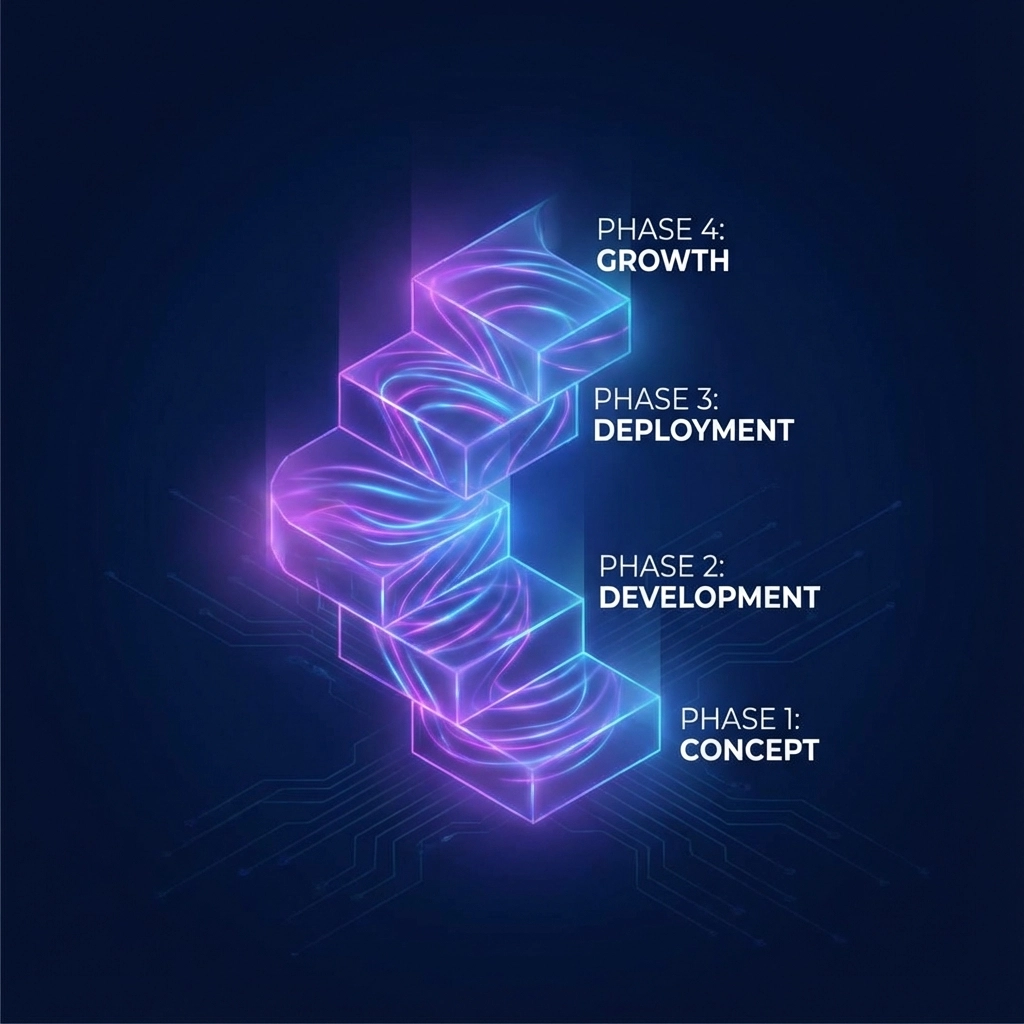
Phase 3: Scale and Optimize (Months 5-6)
Expand AI capabilities to handle more complex inquiries while implementing advanced features like sentiment analysis, proactive outreach, and predictive issue resolution.
Integrate AI agents that can take actions beyond just providing information: processing returns, scheduling appointments, and updating account preferences.
Quantifying the ROI Impact
The financial benefits of AI-powered customer experience extend far beyond cost reduction:
Direct Cost Savings:
30-40% reduction in customer service labor costs
50% decrease in average resolution time
25% improvement in first-call resolution rates
Revenue Enhancement:
15-20% increase in identified upsell opportunities
25% reduction in customer churn rates
35% improvement in customer satisfaction scores leading to increased referrals
Operational Efficiency:
60% reduction in customer wait times
45% improvement in agent productivity
70% decrease in routine inquiry volume
For a typical enterprise handling 10,000 customer interactions monthly, these improvements translate to $200,000-$300,000 in annual savings, with additional revenue upside of $150,000-$250,000.
Critical Pitfalls to Avoid
Over-Automating Too Quickly
The biggest mistake CEOs make is trying to automate everything immediately. Start with clear, simple use cases and expand gradually. Customers need time to adapt to AI interactions, and your team needs time to learn optimization strategies.
Hiding AI Implementation
Transparency builds trust. Always inform customers when they're interacting with AI, and provide immediate access to human assistance. Companies that hide AI deployment face 40% higher complaint rates and significant brand reputation risks.

Neglecting Data Quality
AI systems are only as good as their training data. Invest in data cleaning, validation, and ongoing quality management. Poor data quality can turn AI customer experience from a competitive advantage into a customer satisfaction disaster.
Ignoring Employee Training
Your human agents need training on working with AI systems effectively. Without proper change management, you risk employee resistance and suboptimal performance from your hybrid model.
Ready to Transform Your Customer Experience?
The window for competitive advantage in AI-powered customer experience is closing rapidly. Companies implementing these systems now are building market positions that will be difficult to challenge in 24-36 months.
At Neotic AI, we've helped dozens of companies implement AI customer experience solutions that deliver measurable ROI within 90 days. Our approach combines proven AI technologies with strategic implementation planning that minimizes risk while maximizing results.
Don't let your competitors gain an insurmountable advantage in customer experience. The time to act is now.
Book a discovery call with Helvin to explore how AI-powered customer experience can transform your business operations and unlock new revenue opportunities. In just 30 minutes, you'll get a customized roadmap for implementation that aligns with your specific business goals and customer needs.
Your customers are already expecting AI-powered experiences. The question is whether you'll deliver them before your competitors do.
Comments