
Are You Making These Common Precision Machining Mistakes?

Precision machining for aerospace components demands exact tolerances and flawless execution. Manufacturing facilities producing precision aerospace components encounter recurring technical challenges that compromise part quality and production efficiency. These shop floor mistakes affect aerospace machining operations across all production scales.
Tool Deflection: The Silent Precision Killer
Tool deflection represents the primary technical obstacle in precision aerospace components manufacturing. Cutting tool deflection occurs when machining forces exceed tool rigidity, causing dimensional inaccuracies in critical aerospace parts.
Long, small-diameter tools experience maximum deflection during aerospace manufacturing processes. End mills with length-to-diameter ratios exceeding 4:1 demonstrate significant deflection under standard cutting loads. This deflection translates directly to dimensional variations in precision aerospace components.
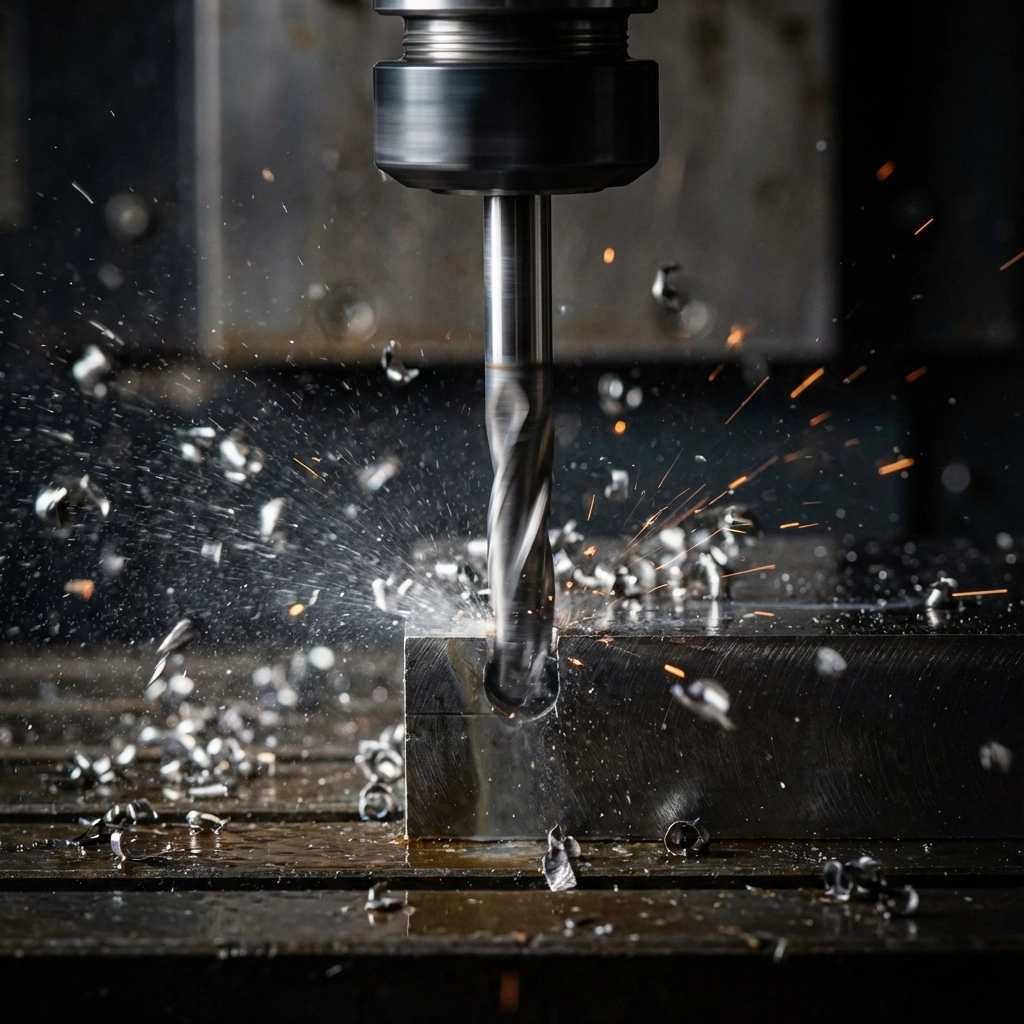
Tool deflection increases exponentially with tool extension length. Aerospace machining operations requiring deep cavity work or complex internal geometries face heightened deflection risks. Manufacturing facilities must calculate deflection coefficients for each tool configuration used in precision aerospace components production.
Effective deflection mitigation strategies include reducing tool overhang, increasing tool diameter where geometry permits, and implementing adaptive feed rate controls. Aerospace manufacturing process optimization requires continuous deflection monitoring through real-time measurement systems.
Thermal Expansion: Temperature-Induced Tolerance Failures
Thermal expansion affects both workpiece materials and machine tool structures during aerospace machining operations. Temperature variations of 1°C generate dimensional changes of approximately 0.012mm per meter in aluminum aerospace components. Titanium alloys commonly used in precision aerospace components exhibit similar thermal sensitivity.
Machine tool thermal growth contributes to positioning errors during extended aerospace manufacturing process cycles. Spindle thermal expansion alters tool length offsets, affecting part dimensions throughout production runs. Coolant temperature fluctuations compound thermal expansion effects in precision machining environments.
Temperature control protocols must address ambient shop conditions, cutting fluid temperatures, and machine thermal stability. Aerospace machining facilities implement environmental controls maintaining ±1°C temperature stability for precision aerospace components production.
Thermal compensation systems integrate real-time temperature measurement with machine control algorithms. These systems automatically adjust tool offsets and positioning coordinates based on measured thermal conditions throughout aerospace manufacturing processes.
Improper Chip Management: Evacuation and Surface Quality Issues
Chip management failures create multiple technical problems affecting precision aerospace components quality. Poor chip evacuation causes chip recutting, generating heat buildup and surface finish degradation. Aerospace machining operations producing long, stringy chips face particular evacuation challenges.
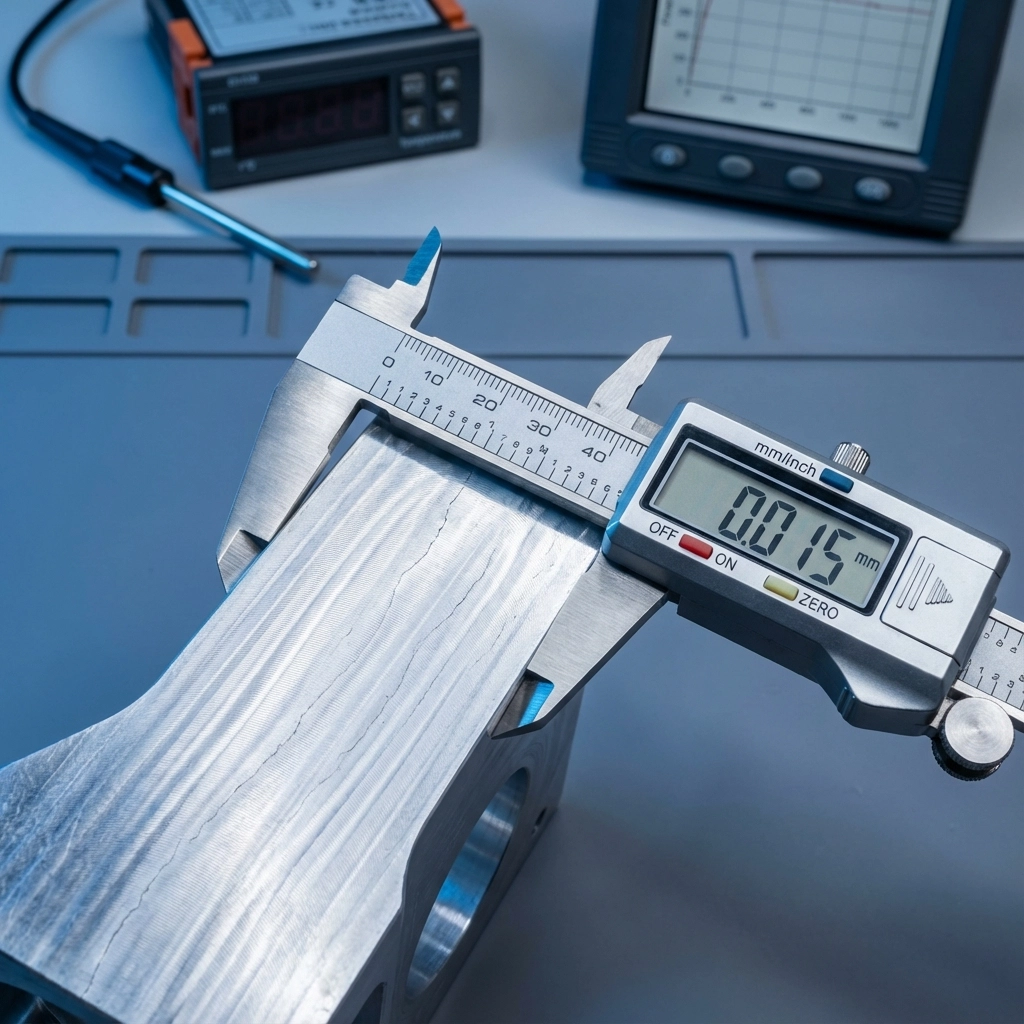
Inadequate chip breaking leads to chip wrapping around cutting tools, potentially damaging precision aerospace components surfaces. Titanium and Inconel aerospace alloys generate particularly problematic chip formations requiring specialized chip breaking strategies.
Effective chip management combines proper cutting parameters, optimized tool geometries, and robust coolant delivery systems. Aerospace manufacturing process planning must address chip formation characteristics for each material and operation combination.
High-pressure coolant systems provide effective chip flushing in deep cavity aerospace machining operations. Coolant flow rates exceeding 50 gallons per minute ensure adequate chip evacuation from precision aerospace components during production.
Setup Rigidity: Foundation for Precision Achievement
Inadequate setup rigidity undermines precision in aerospace machining operations. Workholding system deflection under cutting forces generates dimensional variations exceeding aerospace component tolerance requirements.
Fixture deflection calculations must account for maximum cutting forces encountered during aerospace manufacturing processes. Thin-walled aerospace components require specialized workholding techniques preventing part distortion during machining.

Machine tool rigidity directly influences achievable precision in aerospace components production. Spindle deflection, column deflection, and bed deflection combine to affect overall system rigidity during precision machining operations.
Workholding system design must distribute clamping forces evenly across aerospace component surfaces. Improper clamping force distribution creates part distortion affecting dimensional accuracy in precision aerospace components.
Spindle Speed and Feed Rate Optimization Errors
Incorrect spindle speed selection generates excessive tool wear and poor surface finishes in aerospace machining operations. Titanium aerospace alloys require specific speed ranges optimizing tool life while maintaining precision aerospace components quality.
Feed rate optimization balances material removal rates with surface finish requirements for precision aerospace components. Aerospace manufacturing processes demand consistent feed rates maintaining dimensional stability throughout production cycles.
Surface feet per minute calculations must consider aerospace material properties and tool coating specifications. Carbide tool manufacturers provide specific recommendations for aerospace alloy machining parameters.
Adaptive machining strategies automatically adjust spindle speeds and feed rates based on real-time cutting force measurements. These systems optimize aerospace manufacturing process efficiency while maintaining precision aerospace components quality standards.
Measurement and Inspection Protocol Failures
Inadequate measurement protocols compromise quality assurance in precision aerospace components manufacturing. Temperature variations during measurement affect dimensional readings beyond aerospace tolerance requirements.
Coordinate measuring machine accuracy depends on thermal stability throughout measurement cycles. Aerospace machining facilities implement temperature-controlled measurement rooms maintaining ±0.5°C stability for precision aerospace components inspection.
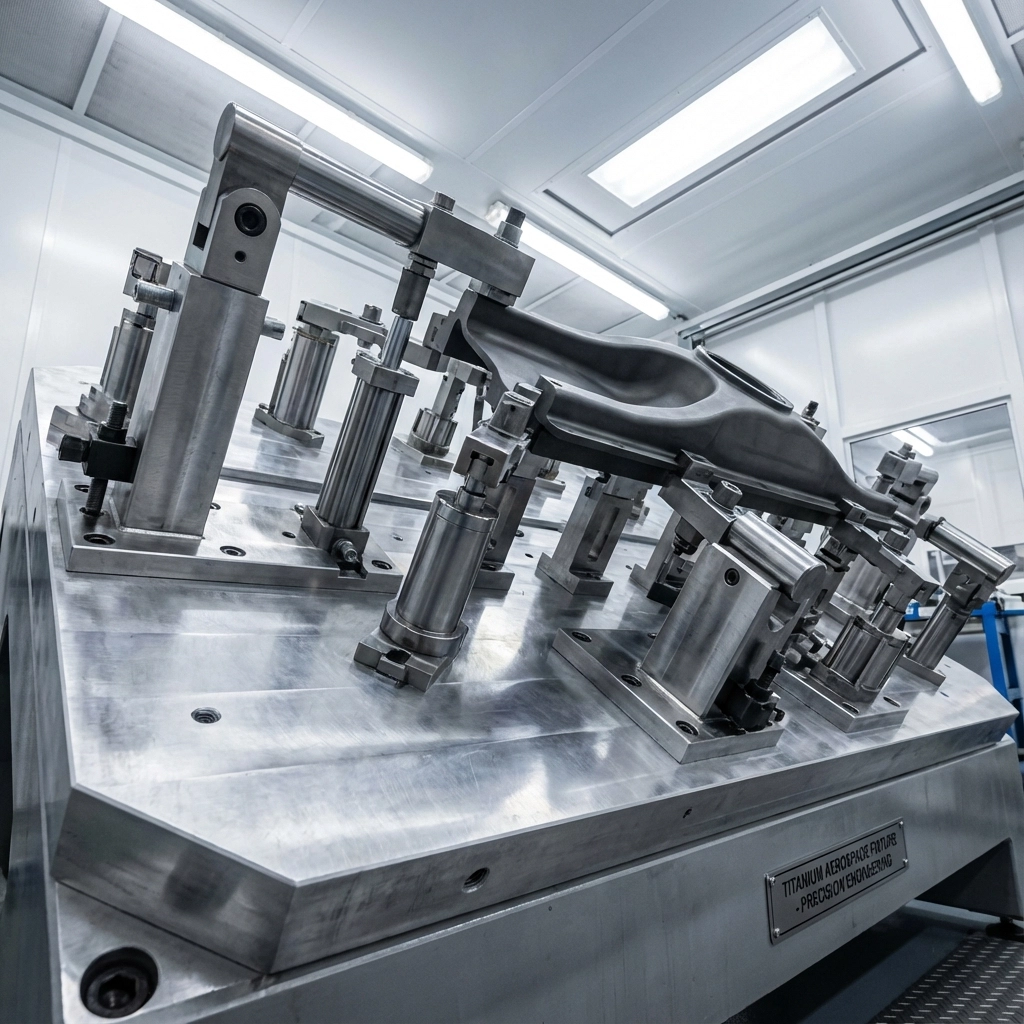
Measurement uncertainty calculations must account for all error sources affecting aerospace component dimensional verification. Gage repeatability and reproducibility studies validate measurement system capability for precision aerospace components inspection.
Statistical process control implementation requires continuous monitoring of key aerospace manufacturing process parameters. Control charts track dimensional trends identifying process variations before producing non-conforming aerospace components.
Cutting Tool Selection and Maintenance Oversights
Inappropriate cutting tool selection compromises aerospace machining operation efficiency and precision aerospace components quality. Tool geometry specifications must match aerospace material characteristics and operation requirements.
Tool wear monitoring prevents catastrophic tool failures affecting precision aerospace components dimensional accuracy. Automated tool wear detection systems identify wear thresholds triggering tool replacement during aerospace manufacturing processes.
Cutting tool inventory management ensures availability of specified tools for aerospace machining operations. Tool life data collection enables predictive replacement scheduling optimizing aerospace manufacturing process uptime.
Tool preset accuracy directly affects precision aerospace components dimensional consistency. Tool presetting systems must maintain measurement accuracy within 0.002mm for aerospace machining applications.
Machine Maintenance and Calibration Deficiencies
Inadequate machine maintenance degrades positioning accuracy affecting precision aerospace components quality. Ballscrew wear, bearing deterioration, and way wear accumulate positioning errors throughout aerospace manufacturing processes.
Preventive maintenance schedules must address all machine tool systems affecting aerospace machining accuracy. Lubrication systems, coolant systems, and spindle maintenance require regular attention maintaining precision aerospace components production capability.
Machine tool calibration frequency depends on aerospace manufacturing process requirements and production volume. Monthly calibration intervals ensure continued accuracy for precision aerospace components manufacturing.
Laser interferometer calibration provides traceable accuracy verification for aerospace machining equipment. Calibration certificates document machine tool accuracy meeting aerospace manufacturing process requirements.
Understanding these technical challenges enables aerospace manufacturing facilities to implement effective solutions maintaining precision aerospace components quality standards. Vanguard Tech specializes in addressing these complex aerospace machining challenges through proven technical expertise and systematic process optimization.
Comments